La période difficile que traversent les médias les amène parfois à offrir une vision simpliste de la politique. C’est le cas quand ils se contentent de rapporter les événements sans apporter de nuances ou sans mettre l’information en perspective. La pression du direct est très forte et les ressources sont de plus en plus rares.
Les conséquences de ça sont multiples:
des événements prennent parfois une importance médiatique sans rapport avec leur importance réelle;
la complexité des délibérations et des arbitrages qui conduisent à ces décisions sont souvent occultées;
les motivations, et les hésitations, des acteurs impliqués ne sont pratiquement jamais expliquées.
C’est sur ces bases qu’on se met sans trop s’en rendre compte à décrire la politique comme une partie d’échec, où chaque parti politique déplace froidement ses pièces et où les politicien.nes s’affrontent en suivant des modèles bien précis.
Et pourtant, ce n’est pas ça du tout.
La politique est un monde d’hésitations, de doutes, de compromis et, parfois, de ruptures. Malgré leurs convictions et leurs déterminations, les meilleurs politicien.nes sont souvent pétris d’ambivalence et de dilemmes. Ce n’est pas simple de concilier ses convictions avec les exigences de la démocratie — pire, avec l’exercice du pouvoir. C’est d’ailleurs ce que Jean-Claude Labrecque avait exceptionnellement réussi à mettre en lumière avec À hauteur d’homme.
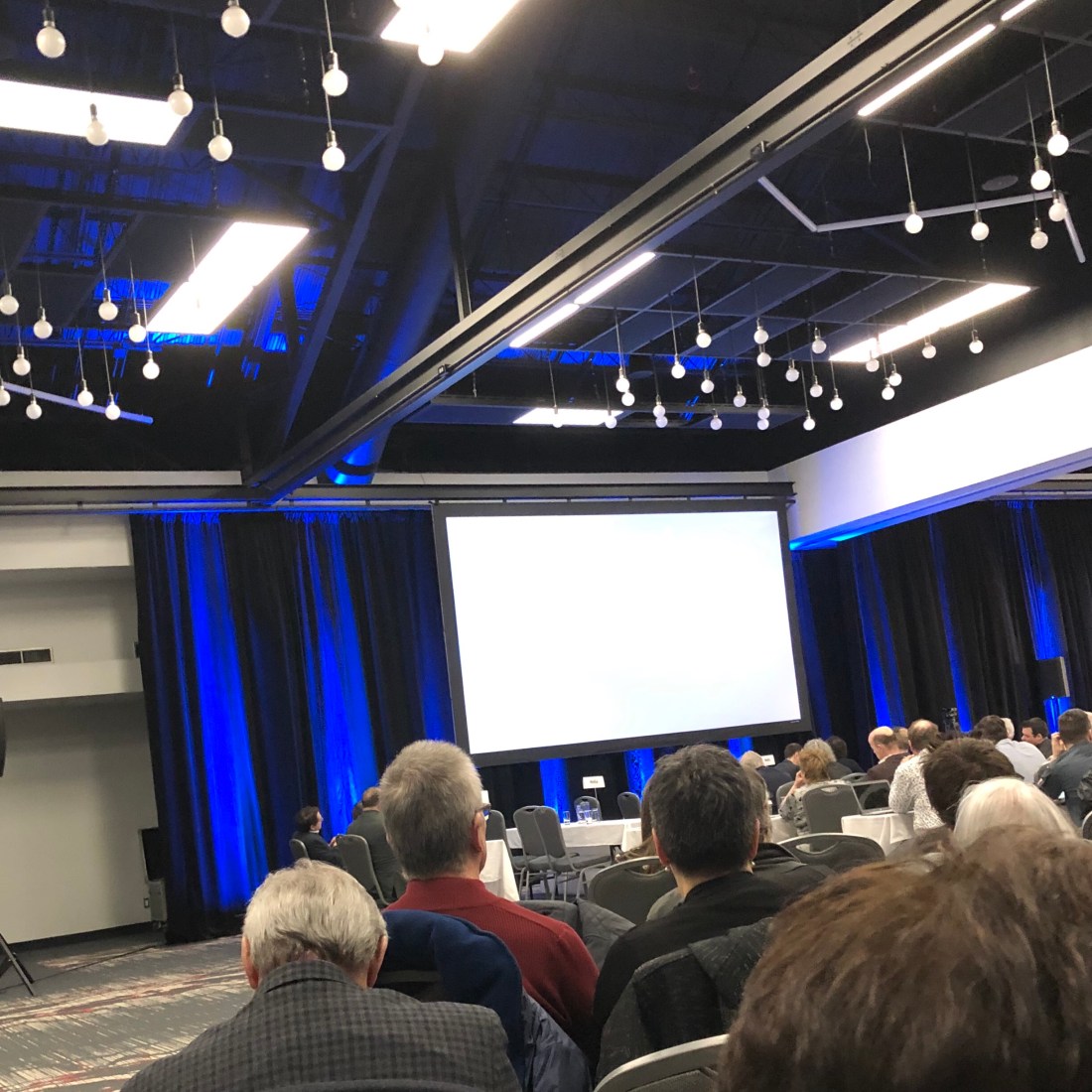
Tout ça pour dire que quand les médias rapportent simplement, un beau samedi matin, qu’un jeune délégué au conseil national du Parti Québécois a démissionné avec fracas, on peut facilement avoir l’impression que ça été un geste impulsif motivé par la volonté de faire un coup d’éclat.
La couverture médiatique peut aussi facilement créer l’impression que Catherine Fournier souhaite forcément l’échec du conseil national (et qu’elle y travaille en coulisse), puisqu’elle a démissionné du caucus quinze jours plus tôt.
Le casting médiatique (inconscient, sans doute) fait de l’un, un trouble-fête et de l’autre une conspiratrice. Un récit prend insidieusement forme autour de ce casting, qui va servir à relier les événements à mesure qu’ils prennent formes.
Et pourtant, très souvent, ce n’est pas ça du tout comme ça que ça se passe. Il suffit d’écouter l’épisode spécial de la balado des Engagés publics ont produit sur le conseil national du Parti Québécois pour le constater.
Toute la fin de semaine Denis Martel a interrogé, très simplement, un micro à la main, les principaux acteurs du conseil national: celles et ceux qui ont fait des interventions remarquées; Félix, le jeune qui n’a pas démissionné sur un coup de tête; Véronique Hivon et Harold Lebel; et même Catherine Fournier (par téléphone), qui a admirablement témoigné de la difficile réflexion qui l’a menée à prendre la décision de quitter le Parti Québécois. On peut aimer ou pas ce qu’ils disent. On ne peut pas douter de leur sincérité.
François Larouche a fait un brillant montage qui donne à tout ça des allures de documentaire.
La simplicité des moyens techniques et le caractère artisanal de la démarche permet ici à la baladodiffusion de témoigner de la dimension humaine de la politique bien plus efficacement que toutes les autres formes de médias ont pu le faire.
La baladodiffusion, à la manière des Engagés publics, permet de découvrir l’envers du décor, de briser le casting créé par les médias traditionnels et de comprendre les motivations des acteurs de l’actualité politique.
Je trouve que c’est une forme de média dont les partis politique auraient tout avantage à exploiter davantage et dans laquelle ils ne devraient pas hésiter à partager leurs ambivalences, à reconnaître leurs hésitations et à expliquer leurs décisions. Parce que l’ambivalence est aussi présente dans la population — les gens sont rarement pour ou contre quelque chose sans nuance (et si ce n’est pas le cas, il est d’autant plus important de les exposer ces nuances).
Je suis de plus en plus convaincu que la crédibilité et la légitimité politique passe de plus en plus par la reconnaissance de ses propres ambivalences.
C’est à ce prix que les citoyen.ne.s vont pouvoir (re)commencer à avoir confiance aux partis politiques qui ont trop longtemps fait semblant de n’avoir que des certitudes.
Il ne faut pas confondre certitudes et convictions.
Merci aux Engagés publics de nous rappeler de façon aussi éloquente la puissance de l’authenticité.